
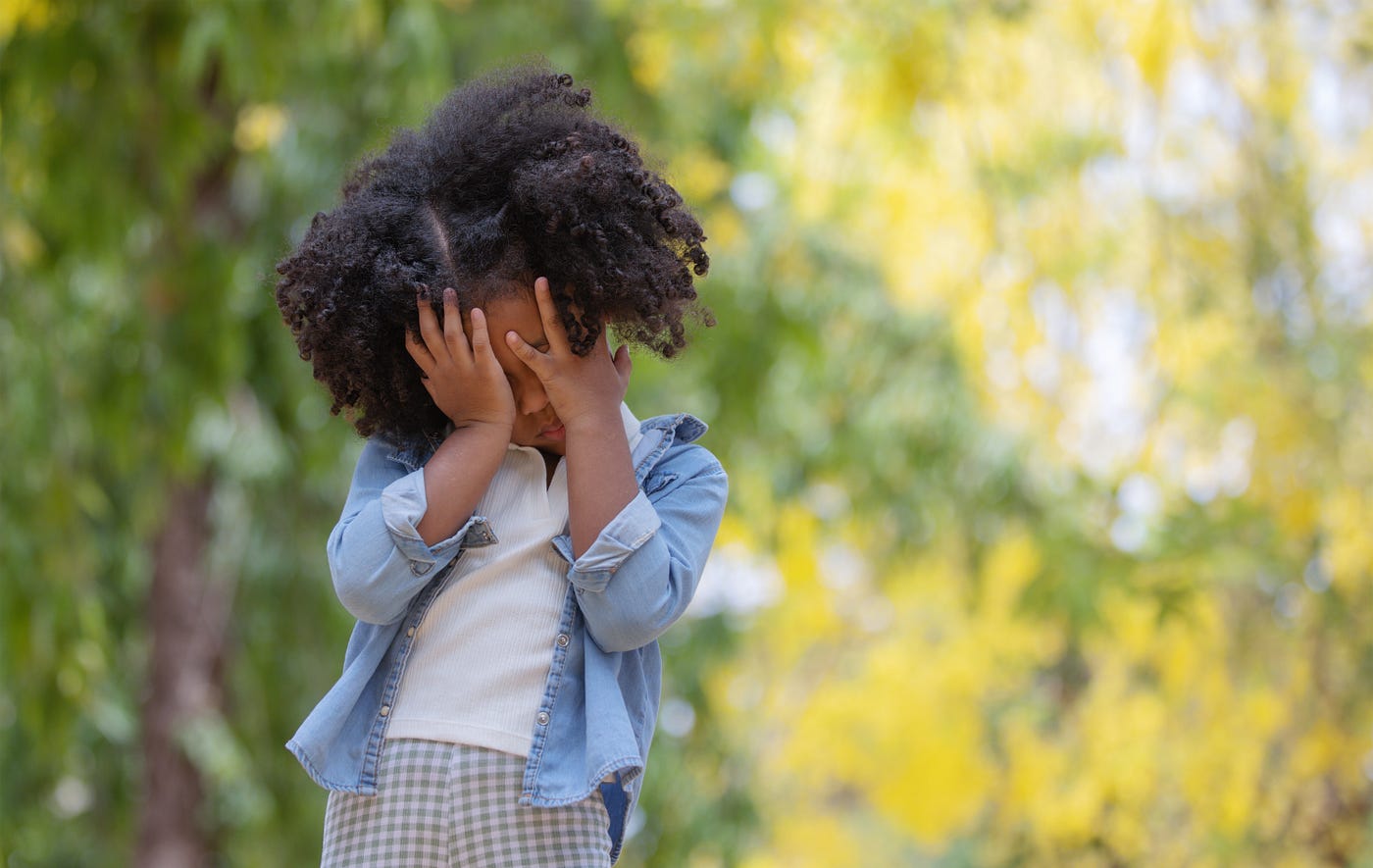
María is my quietest student.
The kind of child who never calls attention to herself.
She blends into the background.
Her participation is almost nonexistent.
And her silence… it’s loud.
When I look at her, I see myself.
As a child, I was just like her.
Quiet. Reticent. Careful.
Not because I had nothing to say, but because I was afraid.
Afraid of being criticized.
Afraid of being laughed at.
Afraid of being excluded or rejected.
Where did that fear come from?
Honestly, it doesn’t matter.
What matters is that it arrived… and it stayed with me for decades.
I didn’t free myself from that fear until I was almost 40 years old.
And that’s the question that keeps me awake at night as a teacher:
Why should a child have to wait that long?
Why do we allow fear to silently shape who they become,
when we could help them change it now?
The Children Who Don’t Raise Their Hands
You know these students.
They remind you of your own children.
Or maybe… of yourself.
They don’t take risks.
They don’t speak up.
They don’t challenge ideas.
They follow the group because it feels safer than standing alone.
Not because they want to be invisible.
But because fear taught them that visibility is dangerous.
Deep down, they want to be different.
They want to speak.
They want to share.
They want to be free in their thoughts, their words, and their actions.
But fear keeps them small.
When Silence Has a Name
I asked María, gently, many times what was going on.
Weeks passed without an answer.
“What do you do,” I wondered,
“when a child is so quiet it feels like they don’t have a voice?”
She had been in that school for years.
She was known for being “the quiet one.”
One day, barely above a whisper, she said:
“I don’t know, miss.”
But I knew.
Because I had lived there too.
Fear of being laughed at.
Fear of being rejected.
What Helped… And What Wasn’t Enough
I tried many strategies, and some truly helped:
I gave her time to write instead of speak, so the group pressure disappeared.
I used Think-Pair-Share, so she wasn’t alone.
I chose her intentionally for questions I knew she could answer.
Not the easiest ones. Respect matters.
She could draw, use diagrams, show her thinking in other ways.
These strategies opened small doors.
But they didn’t remove the fear.
And I knew that fear doesn’t disappear just because we accommodate it.
It disappears when we teach the brain a new story.
The Exercise That Changes Everything
I decided to do with my students something I had once done for myself.
I asked them to write down two fears from a list:
Speaking in public
Being criticized
Being laughed at
Being praised
Hugging a friend
Standing out
Being different
Then I asked:
“What does this fear make you do?”
They wrote:
I stay silent.
I let others disrespect me.
I do what others want.
I hide who I am.
I pretend to be someone else.
This is where the magic happens.
I asked them to write a new thought.
One that was the complete opposite.
Not unrealistic.
Empowering.
Fear: If I speak, I’ll be laughed at.
New thought: If I speak, my ideas deserve respect.
Fear: I’m not smart enough.
New thought: Thinking takes time, and I am allowed that time.
Then we connected it to action.
Old thought → silence.
New thought → one brave sentence.
This is emotional rewiring.
This is psychology in the classroom.
This is how we teach children that fear doesn’t get to decide.
Why This Matters So Much
Because fear doesn’t go away on its own.
It grows quietly.
And one day, that quiet child becomes an adult who waited decades to feel free.
We can change that story.
We don’t need children to be loud.
We need them to feel safe being themselves.
And sometimes, the most powerful thing we can teach is this:
Your voice matters even when it trembles.
These are the kinds of moments that guide my work. My seasonal resources are created to support reflection, SEL, and critical thinking, helping students find their voice in safe and meaningful ways. “Class Plus”
Comments
Post a Comment